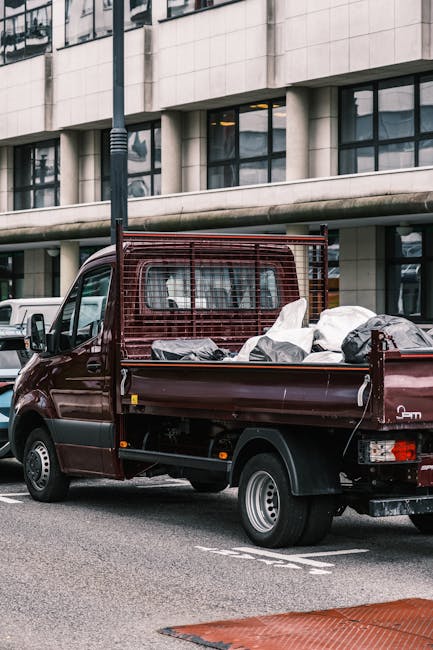
Avoid hidden fees in Downham rubbish removal quotes: a practical guide to fair pricing
Getting rid of rubbish should feel straightforward. A price is quoted, the team arrives, the waste goes, job done. But in real life, a cheap-looking quote can turn into a much dearer bill once extras are added on. If you want to avoid hidden fees in Downham rubbish removal quotes, the trick is not just finding the lowest number; it is understanding exactly what that number includes, what it excludes, and what might trigger a surprise charge on the day.
This guide walks you through how rubbish removal pricing usually works, which charges are often buried in the small print, how to compare quotes properly, and what to ask before you book. It is written for anyone in Downham who wants clarity, not guesswork. Truth be told, most fee disputes start with one thing: assumptions. Let's fix that.
Quick takeaway: the best quote is rarely the cheapest headline price. It is the one that clearly explains labour, access, load size, weight, item type, disposal costs, and any minimum charge before anyone turns up.
Why Avoid hidden fees in Downham rubbish removal quotes Matters
Hidden fees are frustrating because they make planning harder. You think you are budgeting for one amount, then the total changes after the van arrives, the lift is broken, the pile is bigger than expected, or a single item is classed as special waste. Nobody likes the feeling of being trapped once the team is already outside with the engine running. It is awkward. It is avoidable too.
For household jobs, hidden charges can turn a simple clear-out into a small budget headache. For landlords, letting agents, office managers, or tradespeople, the issue is bigger: unclear pricing can create delays, disputes, and messy sign-off conversations. If you are sorting a house clearance or dealing with a larger waste removal job, a transparent quote protects both the wallet and the schedule.
Downham properties can also present practical challenges that affect price. Tight stairwells, limited parking, flats without lifts, side returns, rear access through narrow passages, and items stored in lofts or garages all change the amount of labour involved. That is fair enough. The problem starts when those details are not discussed in advance.
There is another reason this matters: trust. A quote that reads clearly usually signals a business that understands expectations, explains its process, and stands by its work. If a company is vague at the quoting stage, it often stays vague later on too.
How Avoid hidden fees in Downham rubbish removal quotes Works
Transparent rubbish removal pricing usually follows a simple pattern. You describe the waste, the provider estimates the load, and the quote is built around a few core factors. Those factors often include volume, weight, item type, labour time, access conditions, and disposal costs. Some services also price by vehicle load, which is common in same-day clearances and general waste collections.
The important bit is what happens after the initial estimate. A solid provider should explain whether the quote is fixed, whether it is subject to a quick on-site check, and what could increase the total. If you are booking through a service page such as pricing and quotes, you want to see the logic behind the number, not just the number itself.
Here is the simple version. A fair quote should answer four questions:
- What waste is included?
- How much space or weight is covered?
- What access conditions were assumed?
- What extra charges could apply, if any?
In practice, this means being specific. "A few bits of furniture" is too vague. "One sofa, two armchairs, a wardrobe, and three black bags from a first-floor flat" is much better. The more precise the description, the less room there is for awkward extras later.
Some items need special handling, and that can affect pricing. For example, appliances and refrigeration units may fall under separate handling or recycling processes. If you are clearing bulky household items, it may help to check dedicated pages such as fridge and appliance removal or mattress and sofa disposal so you understand why these items are sometimes treated differently.
Key Benefits and Practical Advantages
When pricing is transparent, everything gets easier. You can compare providers on a like-for-like basis, make quicker decisions, and avoid the annoying back-and-forth that tends to happen when the invoice arrives. Small win, but a meaningful one.
- Better budgeting: you can plan the real cost, not just the headline price.
- Less stress on the day: no awkward conversations about "unexpected" access fees or labour charges.
- Faster comparison: clear quotes let you weigh value properly.
- Lower dispute risk: everyone knows what was agreed.
- More suitable service match: the provider can send the right team and vehicle.
There is also a quality angle. A company that quotes carefully often handles jobs more efficiently because it has already thought through the details. That tends to matter for larger clearances, like a loft that has become a sort of archaeological site, or a garage where the back wall has not been seen since 2018.
If sustainability matters to you, transparent quotes also make it easier to understand what happens to the waste afterwards. A provider with clear processes around recycling and sustainability is usually more open about sorting, reuse, and disposal routes.
Who This Is For and When It Makes Sense
This approach helps almost anyone arranging rubbish collection in Downham, but it is especially useful in a few situations. If any of these sound familiar, you will probably benefit from taking a bit more care with quotes.
- Homeowners and tenants clearing out mixed household waste, furniture, or old appliances.
- Landlords and letting agents needing fast turnaround after a tenancy ends.
- Flat residents who need help with stair access, communal hallways, or parking restrictions.
- Businesses managing office tidy-ups, stockroom waste, or periodic collections.
- Tradespeople looking at builders' waste, packaging, or post-project clearance.
If you are dealing with a full property clear-out, services such as flat clearance, home clearance, office clearance, or builders waste clearance can all involve different cost drivers. That is exactly why the quote needs to be specific to the job, not copied from a generic price card and hoped for the best.
It also makes sense if you are comparing a full-service clearance against a more limited option like self-loading transport. The cheapest-looking option is not always cheapest once time, effort, access, and disposal are factored in.
Step-by-Step Guidance
Here is the cleanest way to avoid surprise charges before you book.
- List everything you want removed. Be exact. Include furniture, white goods, bags, rubble, garden waste, and anything awkward.
- Note the access details. Mention stairs, lifts, parking, distance from the property to the vehicle, and whether the team will need to carry items through shared spaces.
- Separate special items. Appliances, mattresses, fridges, confidential paperwork, and hazardous materials can change the price or the handling method.
- Ask for the quote to be itemised or explained. At minimum, make sure you understand labour, disposal, and any access-related assumptions.
- Check what is excluded. Ask directly: "What could make this price go up?" That one question saves a lot of trouble.
- Confirm whether the price is fixed. A fixed quote is easier to budget for. If it is estimated, find out what the estimate is based on.
- Read the terms before booking. This sounds obvious, but people skip it when they are in a hurry. Then the fine print bites back.
A useful habit is to send photos. Not blurry ones taken in the dark, either. Clear images of the waste pile, stairs, entrance, and parking situation help a provider quote more accurately. If the collection involves business waste, the page on business waste removal is a good reminder that commercial jobs often need a little more detail up front.
And if you are booking online, make sure the online process still lets you share the awkward stuff. A quick quote form is handy, but it should not flatten important details into a yes/no box.
Expert Tips for Better Results
After enough clearances, a pattern emerges: the clearest customers usually get the clearest prices. Not because they know some secret code, just because they give better information. Fairly boring, but true.
Tip 1: Treat access like part of the job, not an afterthought. A second-floor flat with no lift is not the same as ground-floor loading. A long carry down a narrow passage can add time and labour. Mention it early.
Tip 2: Ask about minimum charges. Some providers have a minimum load or call-out threshold. That is not necessarily bad, but you need to know it exists.
Tip 3: Clarify mixed loads. A pile containing bags, timber, a mattress, and one fridge is more complex than a single-category load. Mixed waste can trigger different disposal paths.
Tip 4: Watch for "subject to assessment" language. That phrase is not automatically a red flag, but it does mean the initial price may change after inspection. Ask what the inspection is checking.
Tip 5: Compare service levels, not just pounds and pence. Does the price include loading? Sweeping up? Recycling? A brief waiting window? These details matter more than people expect.
To be fair, nobody enjoys going line by line through a quote. It feels a bit tedious. But five minutes of boring questions can save you a very non-boring surprise later.
Expert summary: The safest quote is the one that explains the whole job in plain English. If it relies on you guessing what "standard conditions" means, ask for clarification before anyone starts.
Common Mistakes to Avoid
Most hidden-fee problems come from a handful of repeat mistakes. Once you spot them, they are easy to avoid.
- Choosing the cheapest headline price. A low starting figure can hide extra labour, access, or disposal fees.
- Not describing the waste properly. A sofa is not the same as a sofa plus cushions, a carpet, and an old fridge.
- Forgetting parking and access. Especially in streets where parking is tight or loading is awkward.
- Assuming "all inclusive" means everything. It usually does not. Ask what it excludes.
- Ignoring special waste rules. Hazardous items need specific handling and should never be lumped in casually.
- Booking in a rush. A last-minute job can tempt you to skip the details. That is when surprises creep in.
One surprisingly common issue is item volume. People underestimate how much space a clear-out takes. A few bags, a wardrobe, and a broken table can fill a lot more of a van than expected. The smell of damp cardboard and old carpet does not help either, let's be honest.
If the job includes bulky furniture, it may help to review pages like furniture clearance or furniture disposal so you understand the service boundaries before requesting quotes.
Tools, Resources and Recommendations
You do not need fancy software to compare rubbish removal quotes well. A simple checklist, your phone camera, and a bit of patience usually do the job.
- Photo set: take wide shots and close-ups of the waste, access route, and anything unusual.
- Basic inventory: list item types, approximate quantities, and whether anything is heavy or fragile.
- Questions list: keep a small note of the same questions for every provider so you compare fairly.
- Terms review: read the booking conditions before you commit, not after.
For customers who want more reassurance around payment handling, it can be sensible to review payment and security. Clear payment terms are part of transparent pricing, even if they are often overlooked until the final step.
If the job involves sensitive documents or business records, confidential disposal may be relevant. In that case, confidential shredding is worth considering rather than adding paper waste into a mixed load and hoping it all sorts itself out. Spoiler: it won't.
For unusual or risky waste streams, do not guess. Look at hazardous waste disposal and ask the provider how they classify the items. A decent company should explain what it can and cannot take.
Law, Compliance, Standards, or Best Practice
Pricing is one thing, but waste handling also sits inside a broader framework of UK waste practice. You do not need to become a compliance expert, thankfully, but it helps to know a few basics.
First, reputable waste carriers should operate with proper waste handling processes and should only take material they are allowed to manage. Second, waste should be transported and disposed of responsibly. Third, mixed and hazardous items should be separated and handled carefully. Those are sensible expectations, not optional extras.
For householders, the main point is simple: do not hand over hazardous or restricted items without checking whether they need special treatment. For businesses, the standard is a bit stricter because commercial waste often involves additional record-keeping and duty-of-care considerations. If you are clearing an office or business premises, it is sensible to choose a provider that treats that side properly, not casually.
Best practice also includes clear communication about pricing. A well-run service should:
- describe what the quote covers;
- state any minimum charges or access assumptions;
- explain how special items are priced;
- avoid misleading headline offers;
- and make the booking terms easy to understand.
If safety and process matter to you, it can also be useful to review service information such as health and safety policy and insurance and safety. These pages do not tell you everything about pricing, but they do show whether a company thinks in a structured way.
There is also a practical environmental side. Responsible disposal and recycling are part of good waste management, not a nice little add-on. That is why transparency around sorting and disposal routes matters just as much as the price tag.
Options, Methods, or Comparison Table
Different rubbish removal options suit different jobs. Here is a simple comparison to help you decide what is likely to be the best fit.
| Option | Best for | Pricing clarity | Common hidden-fee risk |
|---|---|---|---|
| Full rubbish removal service | Mixed waste, bulky items, awkward access, time-sensitive clearances | Usually good if the provider asks detailed questions | Access, load size, special items |
| Vehicle-based collection | Loads that can be stacked and loaded quickly | Can be clear if volume rules are explained | Minimum charge, extra labour, waiting time |
| Skip-style option | Projects where waste can be piled up over time | Often straightforward, but site conditions matter | Permit issues, prohibited items, overfilling |
| Specialist item removal | Fridges, mattresses, sofas, appliances | Clear when item category is defined well | Disposal handling and item classification |
If you are unsure whether a skip is more suitable, it can help to check what can go in a skip. Even if you end up choosing a different service, it gives you a useful reference point for what counts as ordinary waste and what needs more care.
For garden, loft, garage, or property-wide clearances, the best option is usually the one that matches the way the waste is stored. A garden pile after a weekend of pruning is very different from a loft full of old boxes, broken ornaments, and dusty insulation. Same word, very different job.
Case Study or Real-World Example
A typical local example goes like this. Someone in Downham clears out a flat after a tenancy ends. They ring around for quotes and get one very low price, one mid-range price, and one higher quote that asks a lot more questions. The cheapest provider sounds great at first, until they mention extra costs for stairs, parking, and mixed waste on arrival.
The mid-range provider, by contrast, asks for photos, confirms the flat is on the second floor, checks whether the lift works, and explains that the price includes loading but not additional waiting if access is delayed. It is not the flashiest quote, but it is the one that lets the person plan properly.
In the end, the cheaper quote was not actually cheaper. It just looked cheaper. That happens all the time. There is usually no drama when the service is transparent from the beginning, and that calm feeling is worth a lot when you are trying to get a property ready for the next step.
The same pattern appears in garage clear-outs, office declutters, and post-renovation debris jobs. When the details are clear, the quote usually makes more sense too.
Practical Checklist
Use this before you accept any rubbish removal quote in Downham.
- Have I listed every item that needs removing?
- Have I mentioned stairs, lifts, parking, and carry distance?
- Have I flagged bulky, heavy, or awkward items?
- Have I asked what the quote includes?
- Have I asked what could increase the price?
- Do I know whether the quote is fixed or estimated?
- Have I checked the provider's terms and payment details?
- Have I separated special waste from general waste?
- Have I compared the service level, not just the headline price?
- Am I happy that the quote makes sense on its own, without guesses?
If you can tick most of those off, you are in a strong position. If not, slow down a little. It is better to ask one more question now than to argue over one more charge later.
Conclusion
To avoid hidden fees in Downham rubbish removal quotes, think like a careful planner rather than a rushed buyer. Be specific about the waste, honest about access, clear on special items, and alert to vague wording. That one shift alone can save money, time, and a fair bit of frustration.
Good rubbish removal pricing should feel plain, not mysterious. If a quote is transparent, well explained, and matched to your actual job, you can move forward with confidence. And honestly, that is what most people want: no surprises, no fuss, just a clean finish and one less thing hanging over the day.
Get a free quote today and see how much you can save.
When the pricing is clear, the whole job feels lighter. That matters more than people think.
Frequently Asked Questions
What are the most common hidden fees in rubbish removal quotes?
Common hidden fees can include extra labour charges, access fees, parking-related costs, minimum load charges, and added disposal costs for special items. The best way to catch them is to ask what the quote includes and what could increase the total.
How can I tell if a rubbish removal quote is fair?
A fair quote clearly explains what waste is included, how the load is measured, whether labour is included, and whether access assumptions were made. If the price is very low but the details are vague, that is usually a warning sign.
Should I send photos before getting a quote?
Yes, if you can. Photos help the provider judge volume, access, and the type of waste more accurately. A few clear pictures can reduce the chance of a surprise on the day.
Do stairs or lack of parking affect the price?
They can, because they change the time and effort needed to complete the job. A ground-floor collection with easy loading is not the same as carrying bulky items down several flights of stairs.
Are fixed quotes better than estimated quotes?
Usually, yes, because a fixed quote gives you more certainty. An estimated quote can still be useful, but you should understand the conditions that might change it.
Why do fridges, mattresses, and sofas sometimes cost more?
These items can need separate handling, transport, or disposal processes. That does not automatically mean the price is unfair; it often reflects how the item must be processed safely and responsibly.
Can I compare rubbish removal companies just by the headline price?
Not really. Headline price alone can be misleading. You need to compare what each quote includes, how much waste is covered, and whether there are exclusions or call-out conditions.
What should I ask before booking rubbish removal in Downham?
Ask what is included, whether the quote is fixed, whether access affects pricing, how special waste is handled, and whether there are any minimum charges. Those questions cover most of the common surprises.
Is it worth paying a bit more for a clearer quote?
Often, yes. A slightly higher quote that is transparent can be better value than a cheaper one that grows once the job starts. Peace of mind is not nothing.
How do I avoid extra charges on the day?
Describe the job accurately, confirm the access details, mention all item types, and read the terms before booking. If anything changes between the quote and collection day, tell the provider straight away.
Does commercial waste need more detail in the quote?
Usually it does, because business waste can involve mixed materials, records, and different disposal requirements. The more detailed the description, the less room there is for misunderstandings.
What if I am not sure how much rubbish I have?
Send photos and give your best estimate, then ask the provider to explain the pricing method. A decent company will help you work it out rather than rushing you into a vague agreement.
Can waste type change the final cost?
Yes. Mixed waste, bulky furniture, appliances, and hazardous materials can all affect how the job is priced. If you are unsure, separate the items and ask before booking.
Where can I learn more about pricing and related services?
You can review the site's pricing and quotes information, plus related pages such as recycling and sustainability and insurance and safety to better understand how the service works end to end.